From Mandate to Opportunity: The Dawn of Serialization 2.0
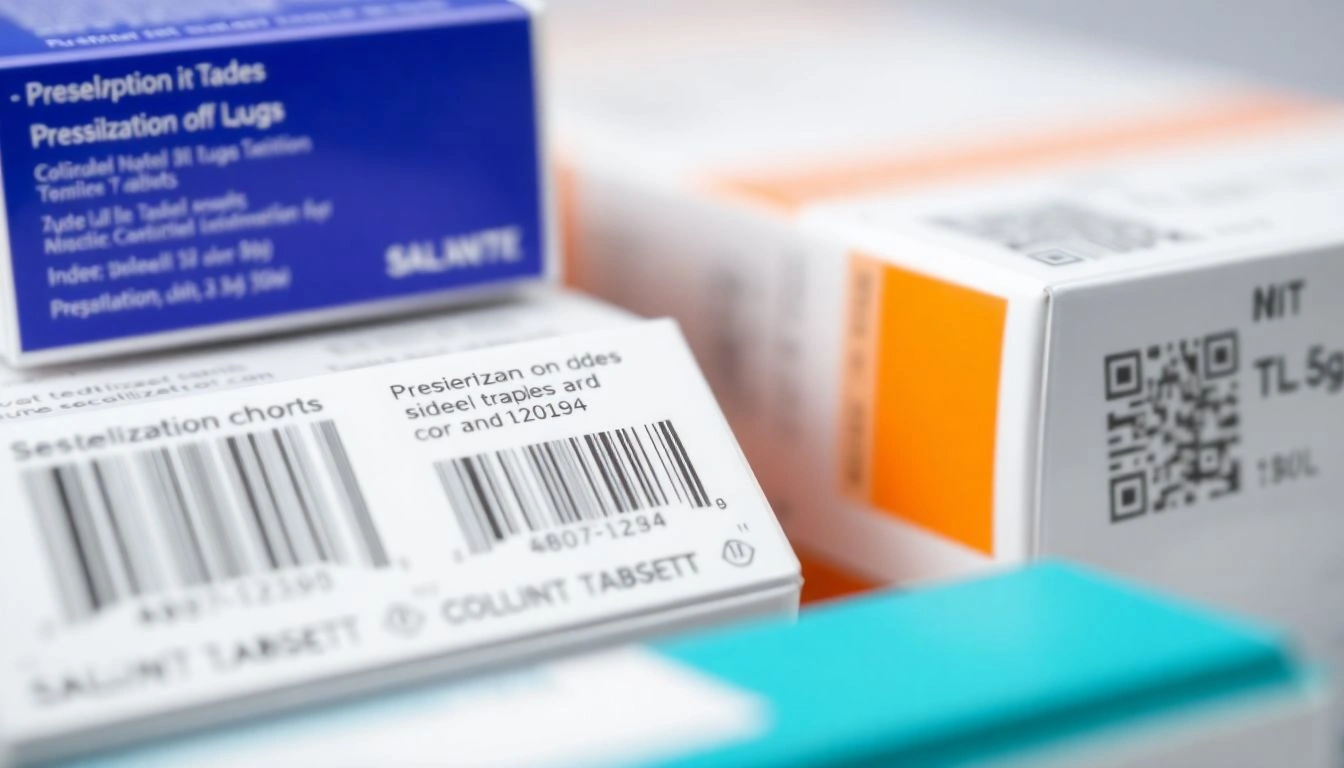
For the better part of the last decade, the pharmaceutical industry has been locked in a race against time. Driven by strict regulatory deadlines—most notably the U.S. Drug Supply Chain Security Act (DSCSA) and the EU Falsified Medicines Directive (EU FMD)—manufacturers, repackagers, and logistics providers focused their energy on what we can call “Serialization 1.0.” This initial phase was characterized by a fundamental objective: compliance. The goal was to print a 2D DataMatrix barcode on a package, store the serial number, and ensure the product could legally enter the market without incurring penalties.
While Serialization 1.0 was a massive undertaking involving significant capital expenditure and line retrofitting, it was largely reactive. Systems were often deployed in silos, designed solely to meet the letter of the law. Today, however, the landscape has fundamentally shifted. We are entering the era of Serialization 2.0. This next evolution is not just about staying out of regulatory trouble; it is about leveraging drug serialization data to unlock unprecedented value, operational efficiency, and strategic foresight.
As we navigate the final stabilization periods of the DSCSA and the maturation of global track and trace laws, the question is no longer “Are we compliant?” but rather “Are we intelligent?” Upgrading to Serialization 2.0 is becoming a business imperative for stakeholders who wish to maintain a competitive edge in the complex pharma supply chain.
The Regulatory Catalyst: DSCSA Interoperability and Global Standards
The primary driver pushing the industry toward Serialization 2.0 is the tightening of regulatory requirements, specifically regarding data exchange and interoperability. Under the early phases of pharma compliance regulations, lot-level traceability was often sufficient. However, the final milestones of the DSCSA demand fully electronic, interoperable, unit-level traceability across the entire supply chain—from manufacturer to dispenser.
This shift requires a technological leap. In Serialization 1.0, data often resided in static repositories. In Serialization 2.0, data must be dynamic. The implementation of standards such as GS1’s EPCIS (Electronic Product Code Information Services) allows disparate systems to communicate effectively. This is critical because the new regulatory environment does not just ask you to know what you produced; it asks you to prove who you sent it to, when, and in what hierarchy.
The Role of Aggregation
A cornerstone of this upgrade is aggregation—the creation of a parent-child data relationship between the saleable unit, the bundle, the shipping case, and the pallet. While aggregation is not explicitly mandated by every global regulation, it is practically essential for the efficient operation of a modern pharma supply chain. Without aggregation (a key feature of Serialization 2.0), receiving a pallet of medicine at a distribution center requires scanning every individual unit—an operational nightmare. Serialization 2.0 systems automate this through inference, allowing operators to scan one pallet code and instantly know the identity of thousands of units inside.
What Is at Stake? The Hidden Costs of Technical Stagnation
Sticking with a basic, compliance-only serialization model poses significant risks in the current market. The stakes involve more than just regulatory fines; they encompass operational viability and financial health.
- Operational Silos and Data Gaps: Legacy systems often trap data at the site level (Level 3). If your serialization data isn’t seamlessly flowing to your enterprise (Level 4) and network (Level 5) systems, you lack real-time visibility. This leads to inventory blind spots, where supply chain managers cannot see stock levels accurately across the distribution network.
- Inefficient Returns and Recalls: In a Serialization 1.0 environment, recalls are often broad and clumsy. Without precise, granular data, a manufacturer might have to recall an entire lot when only a specific sub-segment is affected. This results in the destruction of perfectly good product and massive financial loss. Furthermore, processing saleable returns—a huge volume in the pharma industry—becomes slow and labor-intensive without the automated verification capabilities of pharma track and trace systems.
- Counterfeiting and Diversion Risks: The sophistication of bad actors is growing. A basic serialization system might stop simple fakes, but it struggles to detect complex diversion schemes where authentic product is stolen and reintroduced in different markets. Serialization 2.0 utilizes advanced analytics to detect anomalies in scan data, flagging potential diversion in real-time.
The Strategic Value of Advanced Pharma Track and Trace
When organizations treat drug serialization as a data asset rather than a compliance tax, the return on investment (ROI) transforms. Serialization 2.0 opens the door to business intelligence that was previously inaccessible.
Enhanced Supply Chain Visibility
By upgrading to a mature serialization ecosystem, companies gain “glass pipeline” visibility. You can track a specific unit of medication from the packaging line in India to a pharmacy shelf in Ohio. This granular visibility allows for leaner inventory levels, reducing the capital tied up in stock while ensuring that critical medications are available where patients need them. It turns the supply chain from a cost center into a strategic differentiator.
Brand Protection and Patient Safety
Ultimately, the pharmaceutical industry exists to serve patients. Serialization 2.0 strengthens the chain of custody, ensuring that the medicine a patient receives is authentic and safe. By integrating pharma track and trace data with consumer-facing apps or pharmacy verification systems, manufacturers can build trust. In an era where counterfeit drugs kill thousands annually, the ability to guarantee authenticity is a powerful brand value proposition.
Cold Chain Integration
Advanced serialization platforms are beginning to integrate with IoT (Internet of Things) devices used in cold chain monitoring. By linking the serial number of a biologic drug with the temperature data of the case it traveled in, companies can provide proof of quality—not just proof of origin. This convergence of track and trace with condition monitoring is the frontier of Serialization 2.0.
Roadmap to Upgrading: From Compliance to Connectivity
Moving from a basic compliance setup to a sophisticated Serialization 2.0 model requires a clear roadmap. It is not merely a software update; it is a process re-engineering effort.
- Assess Your Technology Stack (L1 to L5): Evaluate your current infrastructure. Are your line-level devices (L1/L2) capable of high-speed aggregation? Is your site server (L3) creating bottlenecks? Most importantly, is your enterprise system (L4) capable of handling the massive data volume required by GS1 EPCIS standards?
- CMO and 3PL Connectivity: Most pharma companies rely on Contract Manufacturing Organizations (CMOs) and Third-Party Logistics (3PL) providers. In Serialization 1.0, data exchange was often manual or portal-based. Serialization 2.0 requires automated B2B integration. Establishing robust connections with your trading partners is crucial for seamless data exchange.
- Data Integrity and Governance: With great data comes great responsibility. Ensure your upgrade includes rigorous data integrity checks. A serialization system is useless if the digital twin does not match the physical product. Automated vision systems and strict validation protocols are non-negotiable.
Conclusion: Partnering for the Future
The journey to Serialization 2.0 is complex, involving intricate regulatory nuances and sophisticated technological integrations. It requires moving beyond the mindset of “checking the box” for pharma compliance and embracing a holistic view of the supply chain. The companies that successfully make this transition will not only secure their market access but will also operate more efficiently, respond to disruptions faster, and better protect their patients.
However, navigating this upgrade alone can be daunting. Legacy systems, varying global standards, and the technical debt of rushed implementations can act as anchors. This is where expertise matters. Nubinno.com stands as a premier partner in this domain, offering deep expertise in pharmaceutical serialization and track & trace solutions. Whether you are looking to retrofit existing lines, integrate complex CMO networks, or leverage your data for business intelligence, Nubinno provides the turnkey solutions necessary to bridge the gap between simple compliance and true operational excellence.